Stephen P. Sanders, MD,
Cardiology/Cardiac Surgery

Stephen P. Sanders, MD,
Cardiology/Cardiac Surgery
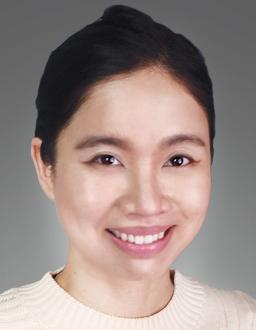
Chrystalle Katte Careon, MD,
Pediatric Pathology
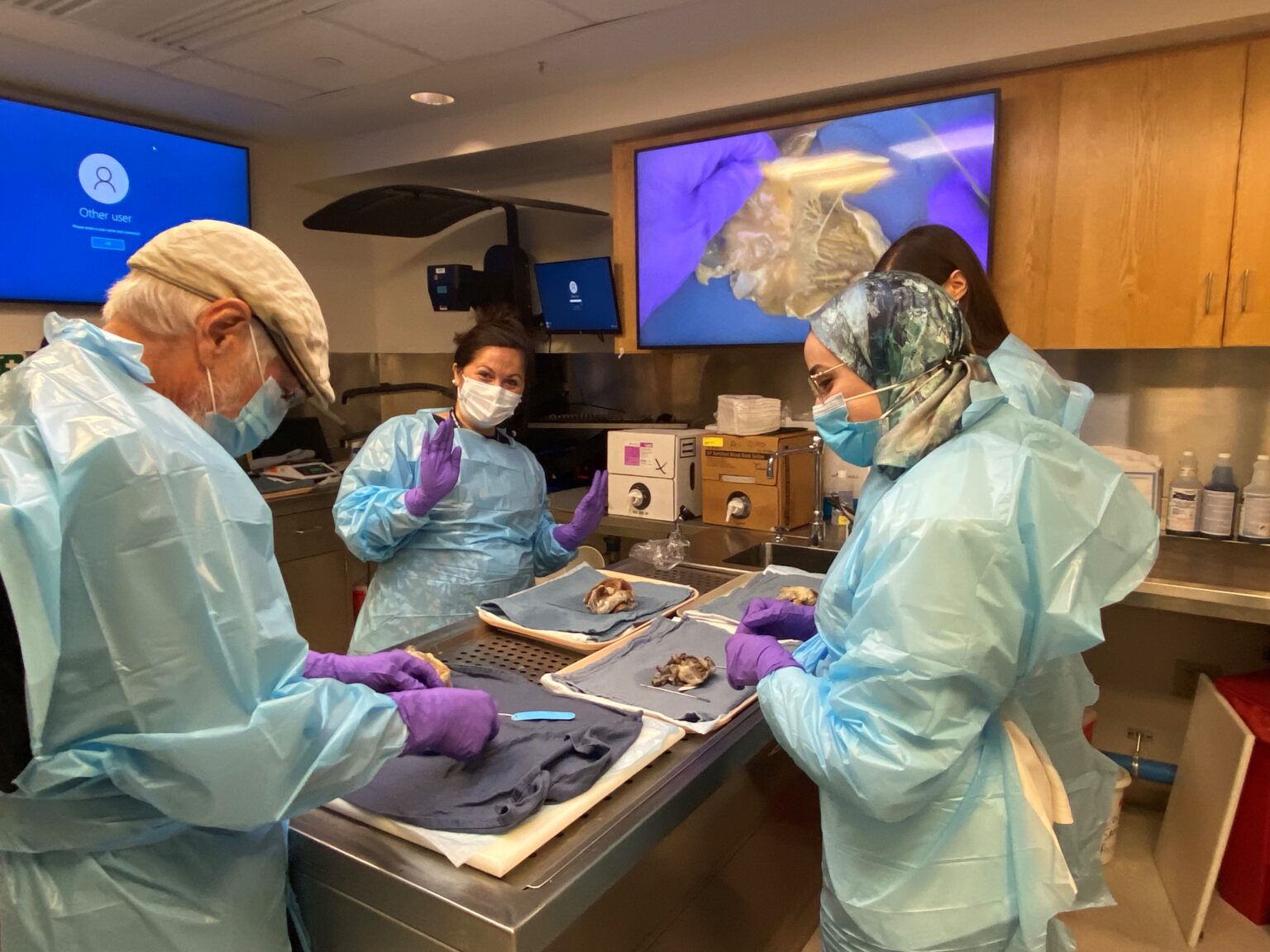
The Cardiac Registry at Boston Children’s Hospital was created in 1965 by Dr. Richard Van Praagh as a joint project sponsored by the departments of Cardiology, Pathology, and Cardiac Surgery to further the understanding of congenital heart disease. The registry provides cardiac autopsy services for Boston Children’s and some referring hospitals. It houses more than 4,000 heart specimens — most with complete clinical and anatomic descriptions. Since its inception, the registry has produced more than 300 peer-reviewed publications, described 13 new congenital heart defects, suggested five cardiac operations, and trained countless fellows, residents, and other medical specialists.
The Cardiac Registry Senior Fellowship in Pathology of Childhood Heart Disease is a one-year fellowship program. Recommended prior training includes: residency training in a related medical specialty (for example, pediatrics or pathology) or two years of post-graduate training in a related basic science (genetics, molecular biology, embryology, or others). However, interested and motivated individuals with an advanced degree in biological or health sciences will be considered. Selection criteria include strength of prior training, likelihood of future application of knowledge gained, and research potential.
The goal of the program is to train young scientists in the anatomy, histology, and embryology of congenital and acquired childhood heart disease. Specific objectives include:
To apply for the Cardiac Registry senior fellowship, please email or send by physical mail a current CV and brief statement (less than one page) about the importance of such training to your future academic goals to:
Stephen P. Sanders, MD
Director, Cardiac Registry
Department of Pathology
Boston Children’s Hospital
Mail Code BCH 3027
300 Longwood Ave.
Boston, MA 02115
stephen.sanders@childrens.harvard.edu